





France has long been home to some of the most formidable family fortunes in the world, shaped by decades of shrewd investment, industrial ambition, and a keen eye for opportunity. From the heights of the luxury goods sector to the vast expanse of retail and real estate, the country’s wealthiest individuals and dynasties represent a fascinating portrait of entrepreneurial vision and capital growth. Understanding who sits at the top of the French wealth ranking means looking beyond mere figures and into the structures, strategies, and histories that built these extraordinary empires.
Key takeaways
- The Mulliez family represents a powerful French entrepreneurial dynasty, with their fortune primarily built on the success of the Auchan retail group.
- French wealth is typically characterized by long-term family business structures that rely on diversified asset portfolios and real estate holdings.
- Luxury goods sectors, led by figures like Bernard Arnault, serve as a critical pillar for capital accumulation and wealth preservation in France.
- Wealth rankings of the French elite are subject to fluctuations based on global market performance, consumer spending trends, and currency exchange rates.
- Major French dynasties maintain dominance through holding companies that facilitate strategic control and the orderly transfer of assets across generations.
- Investing in premium goods, such as fine wines, provides the wealthiest families with resilient assets that remain stable during broader economic downturns.
Key Pillars of French Wealth and Family Empires
At the very core of France’s most significant fortunes lies a common thread: the ability to build and sustain a business empire across generations. The Mulliez family, widely regarded as one of the most powerful entrepreneurial dynasties in the country, has demonstrated precisely this. With ownership of the retail group Auchan as a cornerstone of their holding, the Mulliez family has cultivated a remarkable investment portfolio that spans multiple commercial sectors. Their fortune, estimated at EUR 21 billion, places them firmly among the most discussed names in any serious conversation about French billionaires.
Gérard Mulliez, who heads this formidable family group, has overseen an expansion that saw the family’s wealth surge dramatically over the years, rising from EUR 5.5 billion in 1996 to its later peak, according to the annual ranking published by Challenges magazine. That trajectory illustrates just how powerfully a well-structured family business can compound its advantages over time, drawing on corporate ownership, diversified assets, and long-term thinking.
The Role of Retail and Real Estate Holdings
The retail sector has historically been one of the most reliable engines of capital growth for France’s ultra-wealthy. Large distribution networks, anchored by hypermarkets and associated commercial enterprises, generate considerable revenues that can be reinvested into property and other holdings. Real estate remains a central pillar for many of France’s richest families, offering both stability and long-term appreciation of financial assets. The interplay between retail group performance and real estate investment creates a virtuous cycle that helps maintain and enhance economic status across generations.
For the Mulliez family, this model has proven especially effective. By combining commercial success in retail with a diversified holding structure, the family has managed to build resilience into its fortune, ensuring that downturns in any single sector do not undermine the broader empire. This approach to corporate ownership (spreading risk while concentrating strategic control within the family) is a hallmark of French entrepreneurial dynasties at the very top of the wealth pyramid.

Diversification across luxury goods and industry
France’s wealth landscape would be incomplete without acknowledging the extraordinary influence of the luxury goods sector. Bernard Arnault, the biggest shareholder of the luxury group LVMH, stands as one of the most prominent figures in this space. His fortune, which has seen fluctuations of significance (including a decrease of 18% that brought it to EUR 18.3 billion) nonetheless keeps him among the very wealthiest individuals not just in France but across the globe. The dominance of luxury brands in the French economy speaks to a broader truth: market leadership in premium goods confers an extraordinary capacity to accumulate and preserve wealth.
Beyond luxury, industrial conglomerates and diversified groups play an equally important role in shaping the fortunes of France’s elite. Families and individuals who have built holdings spanning multiple industries (from manufacturing and distribution to services and finance) demonstrate the power of diversification as a long-term wealth strategy. The ranking published by Challenges magazine each year reflects how these varied approaches to building a business empire produce strikingly different profiles, yet all share a commitment to sustained commercial success.
Understanding the Ranking of Wealthy Figures in France
Any examination of France’s top fortunes must grapple with the complexity of how wealth is measured. Net worth assessments for billionaires involve evaluating financial assets, stakes in listed and unlisted companies, property holdings, and a wide range of other investments. The results are inherently approximate, and the rankings can shift considerably from one year to the next depending on market conditions, currency fluctuations, and the performance of key holdings.
Evaluating Assets in Euros and Dollars
The fortunes of France’s wealthiest individuals are typically expressed in both euros and dollars, reflecting the global nature of their assets and the international audiences who follow these rankings closely. For families like the Mulliez, whose retail group Auchan operates across multiple countries, the value of holdings is intrinsically linked to the performance of foreign markets and exchange rates. Similarly, the vast empire of Bernard Arnault through LVMH is subject to the movements of global consumer spending, particularly in Asia and the Americas.
This dual-currency dimension adds a layer of complexity to any wealth ranking. A fortune that stands at a given number of billions in euros may appear quite different when converted to dollars, and vice versa. Analysts and journalists who compile these rankings must therefore make clear the basis on which they are calculating net worth, and readers must be aware that any ranking represents a snapshot rather than a definitive, permanent order.

The Impact of Global Markets on Net Worth
The fortunes of France’s wealthiest are deeply intertwined with the rhythms of global markets. A notable illustration of this came when the Mulliez family surpassed Bernard Arnault in the wealth ranking in 2008, demonstrating how shifts in market valuations and sector performance can reshuffle even the most entrenched hierarchies among billionaires. Such moments remind observers that no position at the top of the wealth ranking is ever truly permanent, it is always subject to the broader forces of the world economy.
For families with large holdings in retail, the performance of consumer spending across Europe and beyond is a decisive factor. For those anchored in luxury goods, the appetite of global affluent consumers for premium products drives valuations dramatically. In both cases, a sophisticated understanding of international markets is essential to maintaining market leadership and protecting the value of a vast investment portfolio.
Strategies behind sustainable business success
What distinguishes the truly enduring fortunes in France from those that flourish briefly before fading? The answer lies largely in strategy, specifically, in the capacity to invest patiently, to resist short-term pressures, and to build structures that can outlast any individual leader or market cycle.
Long-term Investments in Wines and Premium Goods
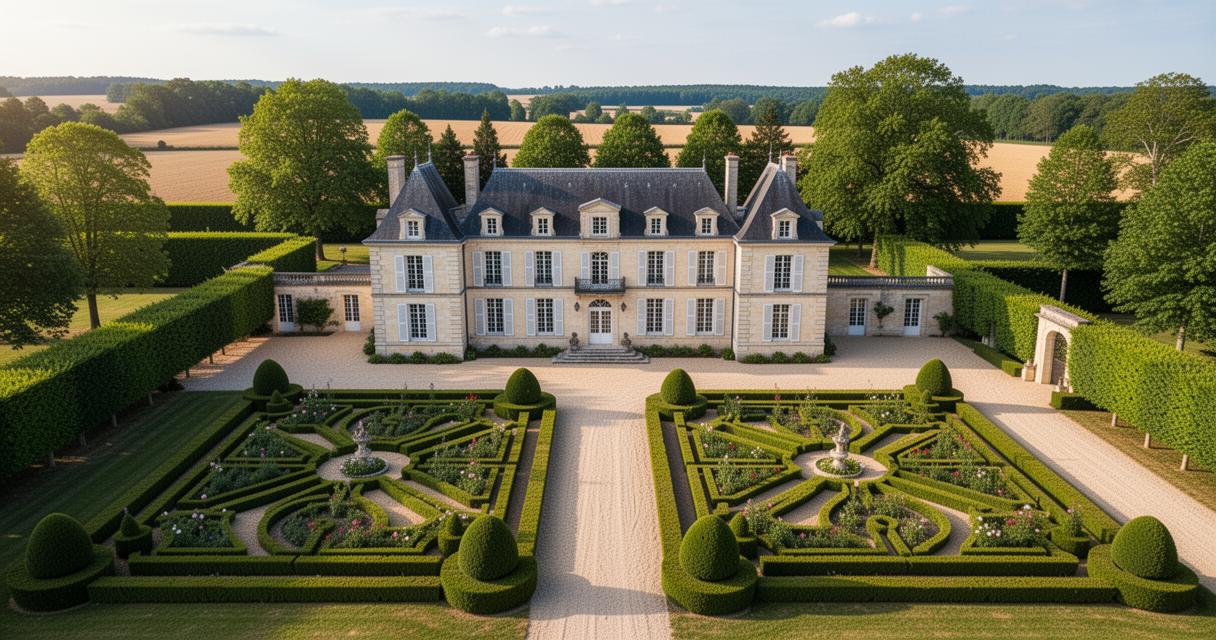
Among the assets that France’s wealthiest families have historically prized, wines and premium goods occupy a special place. The country’s celebrated wine regions represent not only a cultural heritage but also a significant store of value, with fine wine collections forming a meaningful part of certain investment portfolios. The combination of scarcity, global demand, and the prestige associated with French provenance makes these assets particularly attractive for those seeking to diversify beyond conventional financial instruments.
Premium goods more broadly (whether in the form of luxury fashion, jewellery, or fine spirits) share similar characteristics. They are resilient in the face of economic downturns, because their primary customer base tends to be insulated from the pressures that affect the wider population. This resilience is a key reason why fortunes built on luxury and premium goods have demonstrated such impressive longevity across generations of family fortune.
How major groups maintain dominance in france
The great family businesses of France maintain their dominance through a combination of structural control, strategic reinvestment, and a relentless focus on the sectors where they hold the clearest competitive advantages. Holding companies play a central role in this model, allowing families to exercise corporate ownership over a diverse range of assets while retaining the flexibility to adapt as circumstances evolve. This structure also facilitates the orderly transfer of wealth and control across generations, ensuring that the entrepreneurial dynasty remains cohesive and capable of long-term decision-making.
Ultimately, the stories of France’s greatest fortunes are stories of patience and vision as much as they are of ambition and risk. Whether through the retail dominance of the Mulliez family or the luxury empire associated with Bernard Arnault, the common denominator is a capacity to see beyond the immediate moment and to build something that endures. In a world of rapid change and global competition, that capacity for long-term thinking remains the most valuable asset of all.