



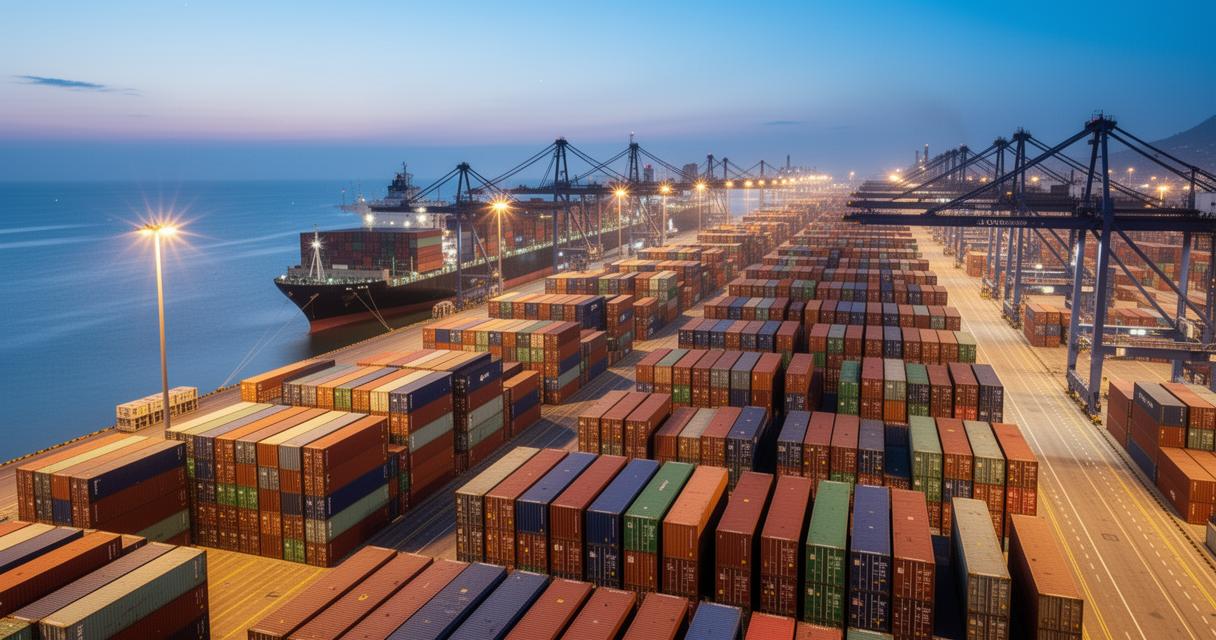
Few innovations in modern history have reshaped the global economy as profoundly as the humble shipping container. What began as a practical solution to a logistical headache has grown into the invisible backbone of international trade, quietly underpinning the flow of goods across every ocean and continent. Today, an estimated 90% of global trade moves inside these standardised metal boxes, a figure that speaks volumes about just how thoroughly containerisation has transformed the world.
The essentials
- The shipping container has become the backbone of the global economy, facilitating approximately 90% of international trade.
- Standardization of container sizes eliminated the labor-intensive handling of loose cargo, drastically reducing costs, theft, and damage.
- Pioneered by Malcom McLean, the intermodal transport system allows sealed containers to move seamlessly between ships, trains, and lorries.
- Containerisation enabled global economic growth by allowing goods to be transported reliably and affordably across vast distances.
- Specialized containers, such as refrigerated units, have expanded logistics capabilities to include perishable goods and industrial liquids.
- The shipping industry is currently focused on reducing its environmental footprint through cleaner fuels, optimized routing, and digital technologies.
- Modern ports are increasingly adopting automation and larger infrastructure to accommodate the rising demand and scale of contemporary container vessels.
The catalyst of modern international trade
Standardised metal boxes transforming freight efficiency
Before containerisation, loading and unloading a ship was an extraordinarily labour-intensive affair. Dockers would spend days shifting loose cargo, sacks, crates and barrels by hand, and goods were perpetually vulnerable to damage, theft and delays. The introduction of standardised shipping containers swept all of that aside. Measuring commonly 20 or 40 feet in length, these steel units could be stacked, sealed and transferred between vessels, lorries and trains with remarkable speed. The entire model of freight transport was reimagined around a single, interoperable format, and the results were nothing short of extraordinary.
The genius of standardisation lay in its simplicity. By ensuring that every container shared the same dimensions and fittings, ports and operators around the world could invest in compatible equipment, from cranes to rail wagons, without the need for costly custom solutions. This compatibility slashed handling times and errors, making it possible to load and unload enormous volumes of cargo in a fraction of the time previously required. The efficiency gains rippled outward through entire supply chains, reducing costs and accelerating the movement of products from manufacturer to consumer.
From malcom mclean to intermodal maritime logistics
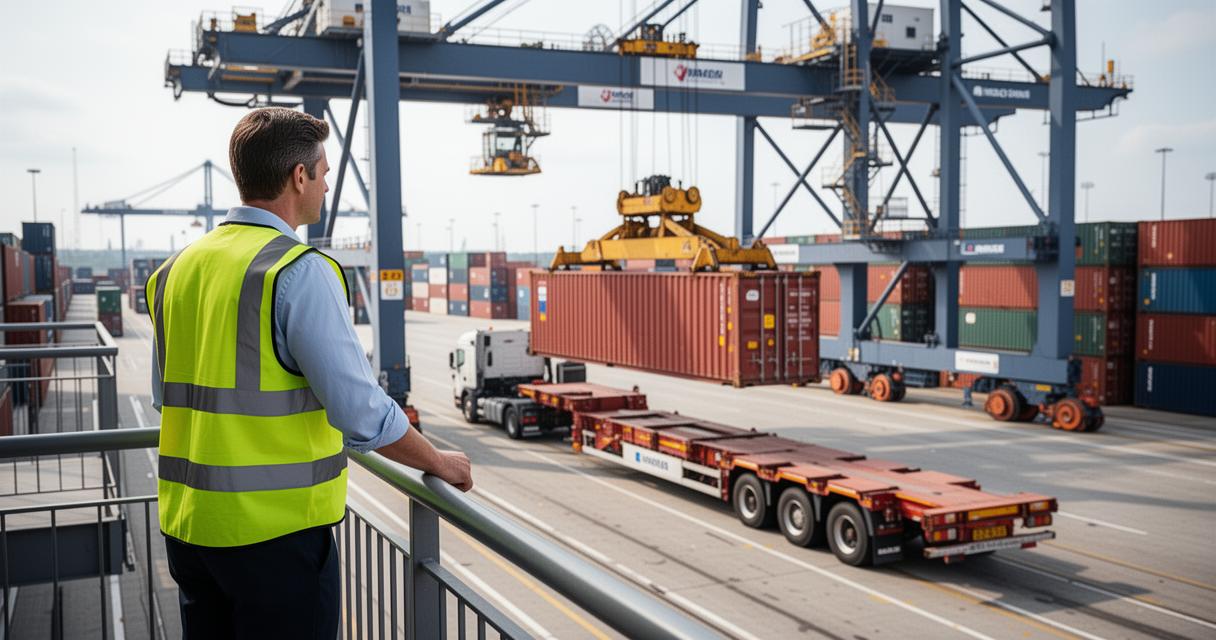
The story of containerisation is inseparable from the vision of Malcom McLean, an American transport entrepreneur whose frustration with the inefficiency of traditional freight methods led him to conceive a radically different approach. In the years following the Second World War, McLean set about developing a system in which sealed metal boxes could travel intact from one mode of transport to another, without being unpacked and repacked at every stage of their journey. His company launched one of the first containerised voyages between American ports, sailing from Newark in New Jersey across the Atlantic, and the concept quickly gained traction. Within a few decades, the model he pioneered had spread across the globe, embraced by shipping lines from North America to Europe and beyond, including major French operators such as CMA CGM, which grew to become one of the dominant forces in global maritime logistics.
Economic advantages and supply chain optimisation
Accelerating speed and capacity across global ports
The economic advantages of container shipping are both broad and deep. By dramatically reducing the time ships spend in port, containerisation enabled carriers to increase the number of voyages they could complete each year, raising revenues whilst keeping costs in check. Modern container vessels operate at significant speeds measured in knots, crossing vast stretches of ocean in days rather than weeks, and their capacity is measured in TEU, or twenty-foot equivalent units, a standard measure that reflects the twenty-foot container as the basic unit of calculation. The scale of contemporary container ships is staggering, capable of carrying hundreds of thousands of tonnes of goods in a single voyage.
For businesses, the benefits are equally compelling. Cargo shipping via container has made it possible to move products reliably and cost-effectively across vast distances, opening up markets in countries that would otherwise have been prohibitively expensive to reach. The reduced risk of damage and theft, thanks to sealed, tamper-evident containers, further lowered the cost of doing business internationally. Customs procedures, too, became more manageable as standardised units simplified documentation and inspection processes, facilitating trade exchanges on a scale previously unimaginable.
Connecting Land and Sea for Seamless Logistics Integration
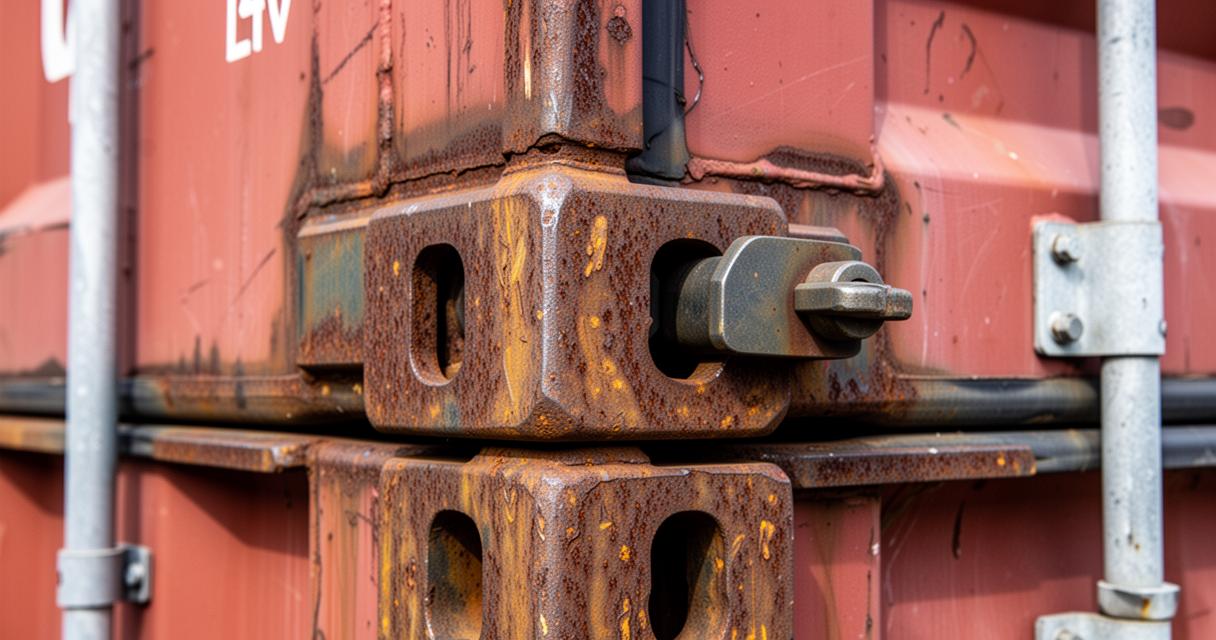
One of the most transformative aspects of containerisation is the way it enabled intermodal transport, the seamless transfer of goods between different modes of conveyance without unpacking. A container loaded at a factory in one country can travel by lorry to a rail depot, continue by train to a port, cross the sea aboard a vessel and then proceed by road to its final destination, all without its contents ever being touched. This continuity of movement is the cornerstone of modern supply chain management, allowing companies to plan and predict delivery times with far greater confidence.
Specialist container types have further expanded the range of goods that can be transported this way. Reefer containers, equipped with refrigeration systems, allow perishable goods such as food and pharmaceuticals to travel across continents without spoiling. Open-top and flat rack containers accommodate oversized or irregularly shaped items that cannot fit through standard doors. Tank containers, with built-in valves and insulation, carry liquids and gases safely over long distances. Together, these different formats mean that containerised logistics can serve virtually every sector of the global economy, from agriculture to heavy industry.
Environmental and Operational Challenges for Modern Fleets
Addressing greenhouse gas emissions in containerised shipping
Despite its many achievements, container shipping is not without its challenges. The industry is a significant contributor to global greenhouse gas emissions, and mounting pressure from governments, regulators and consumers has forced operators to confront the environmental impact of their fleets. Reducing the gas effect emissions produced by large vessels has become one of the central preoccupations of the sector, driving investment in cleaner fuels, more efficient engine designs and optimised routing strategies. Encouraging signs are emerging, with containerised shipping already benefiting from the inherent efficiency of moving large quantities of goods in a single load, maximising cargo space and therefore reducing the carbon footprint per unit of product transported.
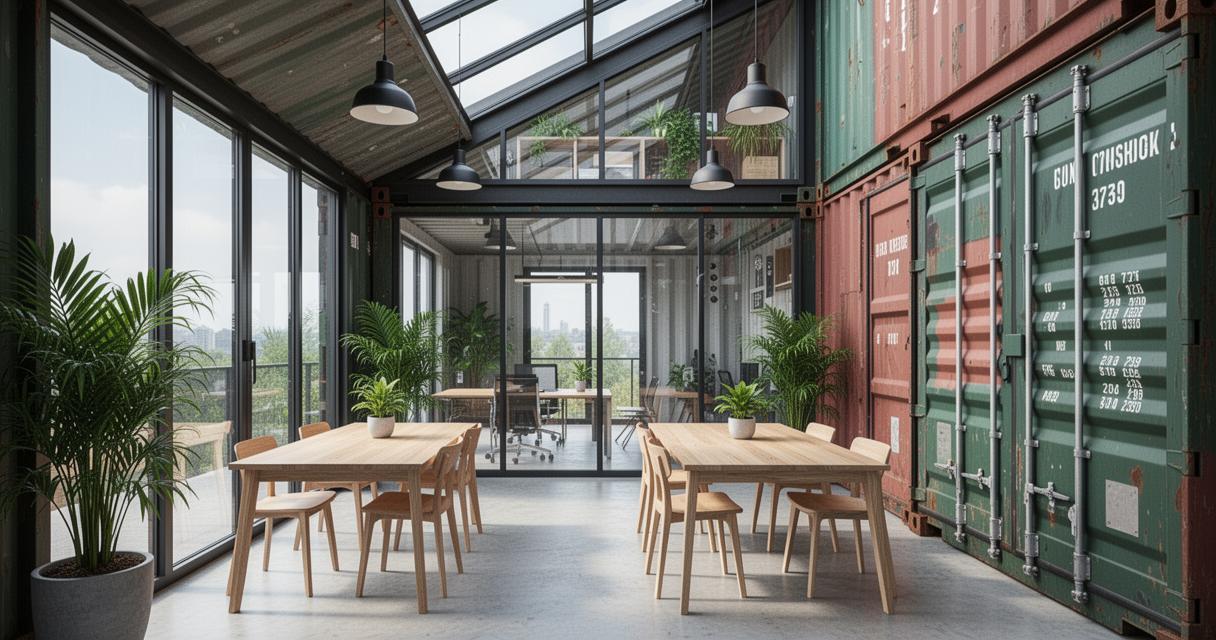
Sustainability efforts extend beyond propulsion. Durable shipping containers are routinely reused across many voyages and, at the end of their working lives, repurposed for storage, construction and other applications, minimising waste. The adoption of technologies such as the Internet of Things for real-time tracking and monitoring is enabling operators to make smarter decisions about routes and energy consumption, pointing the way towards a more sustainable logistics model. Innovation in this space is accelerating, with artificial intelligence increasingly deployed to optimise fleet management and reduce idle time in ports.
Adapting infrastructure to meet growing teu requirements
The relentless growth in container volumes has placed enormous demands on port infrastructure around the world. Terminals must continually expand their capacity to handle ever-larger vessels, investing in deeper berths, taller cranes and more sophisticated cargo handling systems. The transition towards greater automation is reshaping the workforce in ports, with robotic equipment and automated guided vehicles increasingly taking on tasks once performed by human operators. This shift raises important questions about employment and community impact, even as it delivers gains in speed and reliability for transportation networks.
Looking ahead, the trajectory of international shipping is one of continued evolution. The fundamental principle that Malcom McLean helped establish, that standardised, interoperable containers are the most efficient means of moving goods around the world, remains as sound today as it was in the post-war decades. What is changing is the sophistication with which those containers are managed, tracked and propelled across the seas. From the ports of North America and Europe to the bustling terminals of Asia and beyond, smart logistics systems are transforming what it means to run a modern supply chain, ensuring that the container revolution continues to deliver value for companies, consumers and countries alike.