





Whether you manage a small office or a sprawling warehouse, keeping track of physical assets is one of those challenges that quietly drains time and money. Asset tagging offers a practical, scalable solution that brings order to what can otherwise become a chaotic inventory landscape. From a single laptop to an entire fleet of vehicles, attaching the right identification label to each item fundamentally changes how an organisation operates.
At a glance
- Asset tagging eliminates manual tracking errors by providing immediate access to an item’s location, history, and maintenance status.
- Choosing the right technology—such as barcodes, QR codes, or RFID—depends on specific industry needs, budget, and environmental durability requirements.
- A logical, consistent serial numbering convention is essential for preventing confusion and ensuring the system remains intuitive as the organization grows.
- Strategic placement of asset labels is critical to ensure visibility during routine checks and to protect tags from physical damage.
- Integrating physical labels with a digital management platform enables real-time tracking, proactive maintenance scheduling, and smarter resource allocation.
- Regular audits and standardized staff training are necessary to maintain database integrity and ensure consistent accountability across the organization.
How asset tags revolutionise equipment tracking and accountability
Why Physical Identification Solves the Challenge of Asset Visibility
At its core, asset identification is about answering a deceptively simple question: where is this item, who is responsible for it, and what condition is it in? Without a reliable system, businesses often rely on spreadsheets, memory, or laborious manual checks — all of which are prone to human error. A well-implemented physical asset management approach replaces guesswork with certainty. Each asset label carries essential data such as location, purchase history, and maintenance records, meaning any member of staff can retrieve accurate information almost instantly. This kind of visibility is particularly valuable during an inventory audit, where accuracy directly influences financial reporting and compliance with regulatory requirements. Beyond paperwork, there is a tangible security benefit: systematic loss prevention becomes far more achievable when every item is uniquely identified and tracked.

Choosing between barcode, qr code and rfid tagging technologies
The technology you choose for your tags will depend on your industry, environment, and budget. Barcode labels remain a popular choice for retail and manufacturing environments, offering a cost-effective and widely understood solution. QR code tags have found their niche in settings such as education and museums, where a quick smartphone scan can surface rich information without specialist hardware. For logistics and supply chain operations, RFID technology provides a significant advantage by enabling real-time asset monitoring without requiring a direct line of sight. In harsh conditions such as construction sites, metal asset tags crafted from anodised aluminium or polyester offer the durability needed to survive exposure to extreme temperatures and rough handling. Meanwhile, tamper-evident labels serve high-security environments where deterring unauthorised removal is as important as tracking itself.
Building a robust tagging system that grows with your organisation
Designing a numbering convention that prevents future confusion
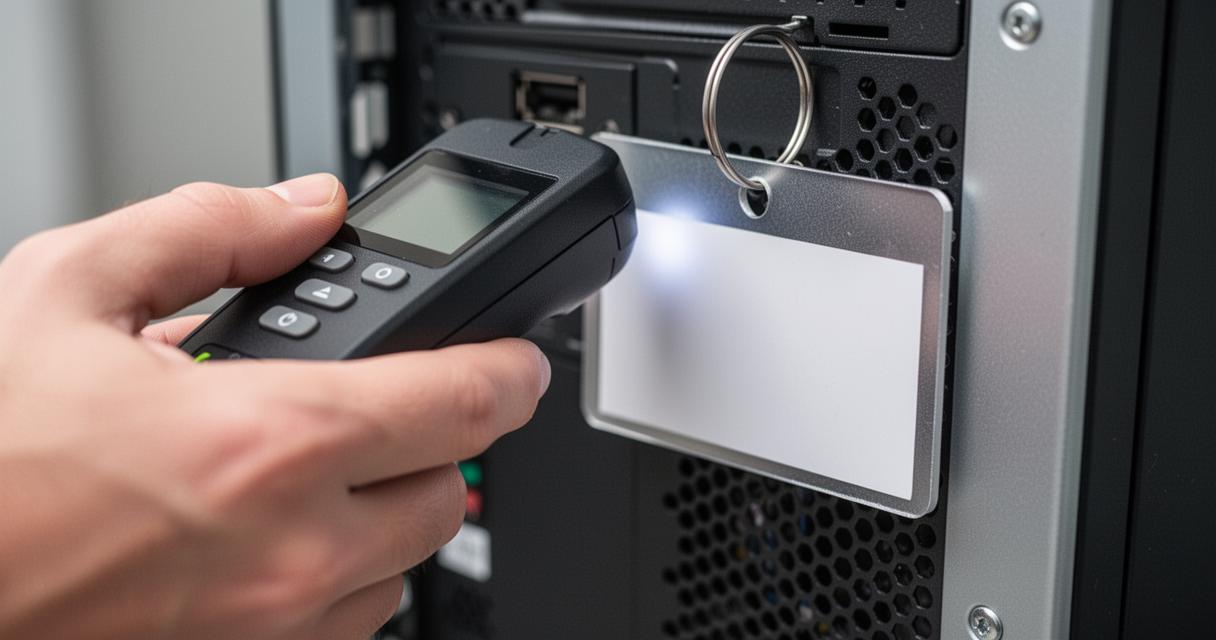
A tagging system is only as reliable as the logic behind it. Before printing a single label, it is worth investing time in designing a clear numbering convention. Serial numbers should follow a consistent format that reflects the asset category, department, or location, making it straightforward to interpret an identifier at a glance. This discipline pays dividends during audits and when onboarding new staff, as the logic is self-explanatory rather than buried in institutional knowledge. Proper label placement is equally important: a tag hidden beneath a piece of equipment or obscured by cables defeats its own purpose. Strategic positioning ensures visibility during routine checks and reduces the likelihood of accidental damage.

Integrating asset labels with your digital management platform
The real power of asset tracking emerges when physical labels are connected to a digital management platform. Scanning a barcode or QR code feeds data directly into software that tracks location, schedules preventive maintenance, and flags items that are overdue for inspection. This integration supports smarter resource allocation, as managers gain a clear picture of which assets are in use, which are sitting idle, and which are approaching the end of their service life. The result is improved operational efficiency across departments, with reduced downtime and fewer unexpected equipment failures. Regular audits — carried out at least annually — help maintain the integrity of the database and ensure that inventory management records reflect the true state of the organisation’s assets. Training staff to follow consistent tagging and scanning procedures completes the picture, embedding accountability into everyday workflows rather than treating it as an occasional exercise.